Heart disease remains one of the leading health concerns worldwide. The good news is that making smart food choices can help support cardiovascular health and reduce the risk of heart-related problems. A heart-healthy diet focuses on nutrient-rich foods that provide healthy fats, fiber, vitamins, minerals, and antioxidants.
In this guide, we will explore some of the best foods for heart health and how they can benefit your body.
Fatty Fish
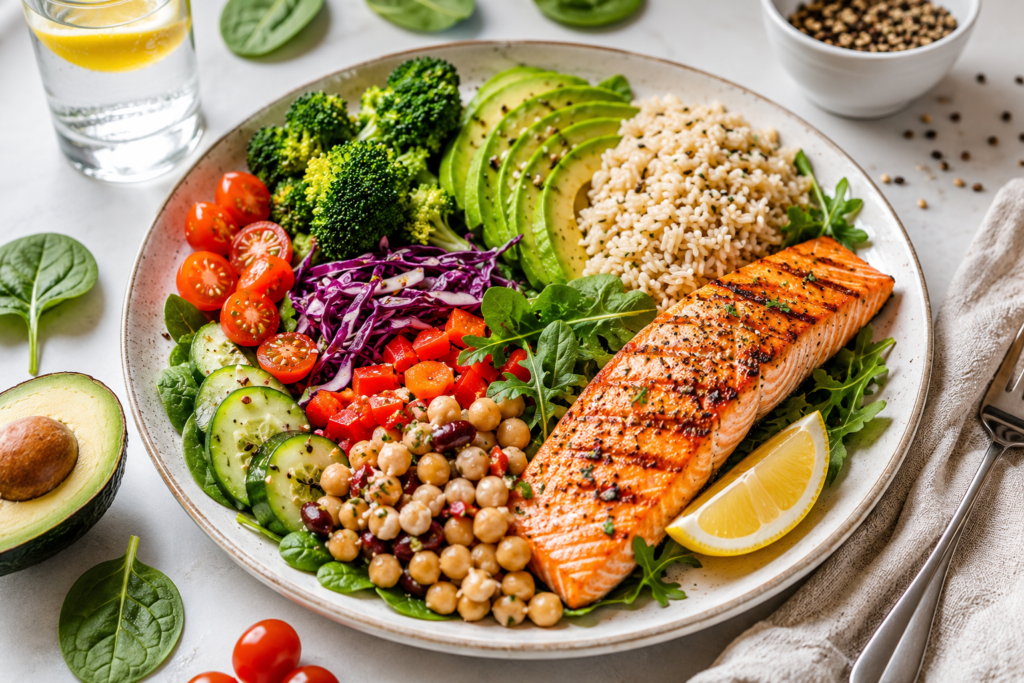
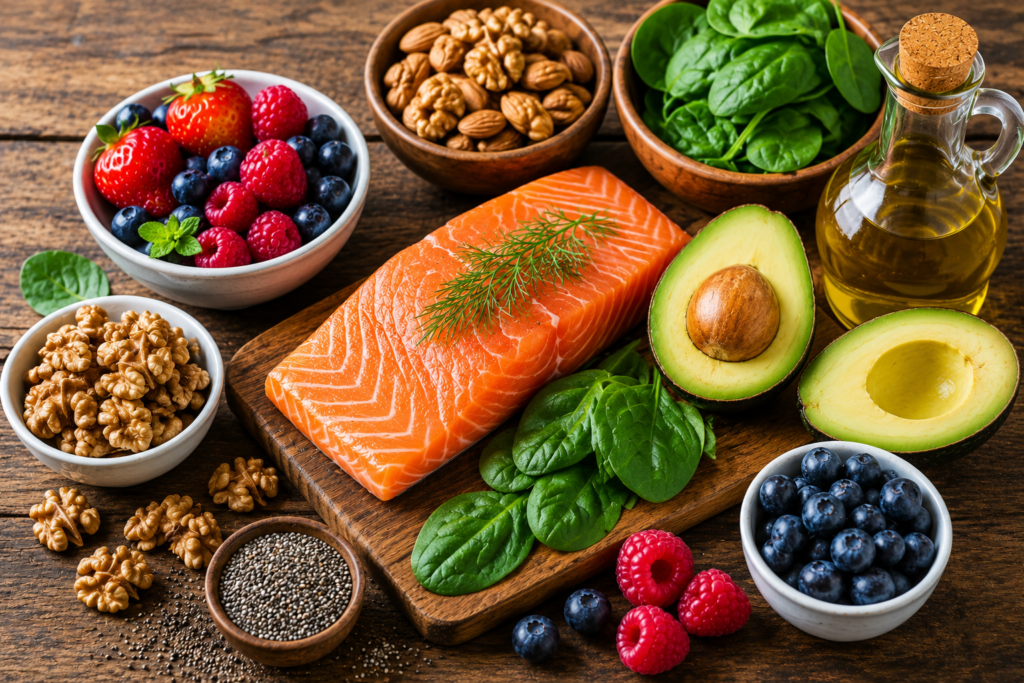
Fatty fish such as salmon, sardines, trout, and mackerel are rich in omega-3 fatty acids. These healthy fats may help support normal heart function and contribute to healthy cholesterol levels.
Experts often recommend eating fatty fish at least twice per week as part of a balanced diet. Grilled or baked fish is usually a healthier option than fried fish.
Avocados
Avocados are a source of healthy monounsaturated fats. These fats can help support healthy cholesterol levels when used as part of a balanced diet.
They also contain potassium, an important mineral that helps support normal blood pressure. Adding avocado to salads, sandwiches, or breakfast meals is an easy way to include this nutritious food in your diet.
Berries
Blueberries, strawberries, raspberries, and blackberries are packed with antioxidants. These compounds help protect cells from oxidative stress.
Berries are also rich in fiber and vitamins, making them an excellent snack or addition to breakfast meals such as oatmeal and yogurt.
Leafy Green Vegetables
Spinach, kale, arugula, and other leafy greens contain vitamins, minerals, and antioxidants that support overall wellness.
These vegetables are also naturally low in calories while providing valuable nutrients that can contribute to a healthy lifestyle.
Oats and Whole Grains
Oats are well known for their fiber content. Fiber can help support healthy cholesterol management and improve digestive health.
Whole grains such as brown rice, quinoa, barley, and whole wheat products can also provide lasting energy and valuable nutrients.
Nuts and Seeds
Almonds, walnuts, chia seeds, flaxseeds, and sunflower seeds contain healthy fats, protein, and fiber.
Walnuts are particularly popular because they naturally contain omega-3 fatty acids. Enjoying a handful of nuts as a snack may help support a balanced diet.
Olive Oil
Olive oil is commonly used in Mediterranean-style eating patterns. It contains healthy fats and can be used as an alternative to butter or highly processed oils.
Drizzling olive oil over vegetables or using it in homemade salad dressings is a simple way to include it in your meals.
Beans and Legumes
Beans, lentils, chickpeas, and peas provide plant-based protein and fiber.
These foods can be used in soups, salads, stews, and side dishes while helping create satisfying meals without excessive saturated fat.
Tomatoes
Tomatoes contain beneficial nutrients such as vitamin C and antioxidants.
Fresh tomatoes, tomato sauces, and tomato-based dishes can be part of a heart-conscious eating plan when prepared with wholesome ingredients.
Dark Chocolate in Moderation
Dark chocolate with a high cocoa content contains antioxidants. While it should be enjoyed in moderation, small amounts may fit into a balanced eating pattern.
Choose options with less added sugar and enjoy them occasionally rather than daily.
Additional Lifestyle Tips
Food is only one part of supporting heart health. Consider combining healthy eating with:
- Regular physical activity
- Adequate sleep
- Stress management
- Staying hydrated
- Avoiding smoking
- Maintaining a healthy body weight
These habits work together to support overall wellness and cardiovascular health.
Conclusion
A heart-healthy diet does not need to be complicated. By including foods such as fatty fish, avocados, berries, leafy greens, oats, nuts, olive oil, beans, and tomatoes, you can create nutritious meals that support your overall well-being.
Small improvements made consistently over time often produce the best long-term results. Focus on building healthy habits that you can maintain and enjoy for years to come.